
Approve a prototype by sight, touch and fit.
Hold a prototype, compare finishes and see what feels right in your hand.
Example project
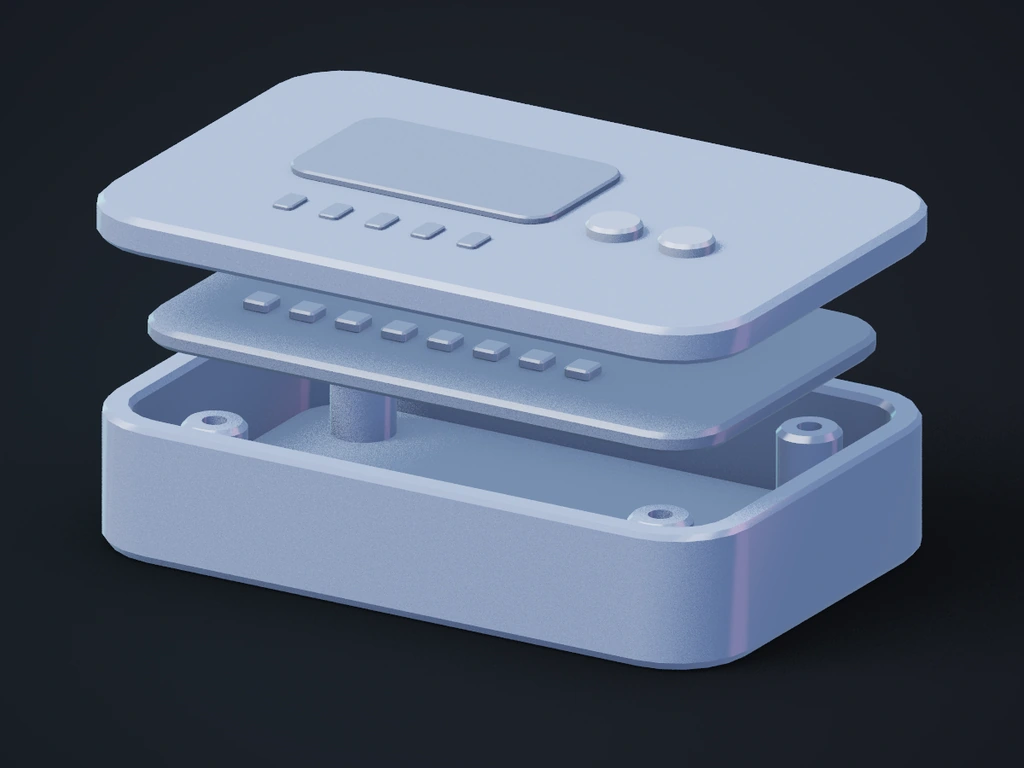
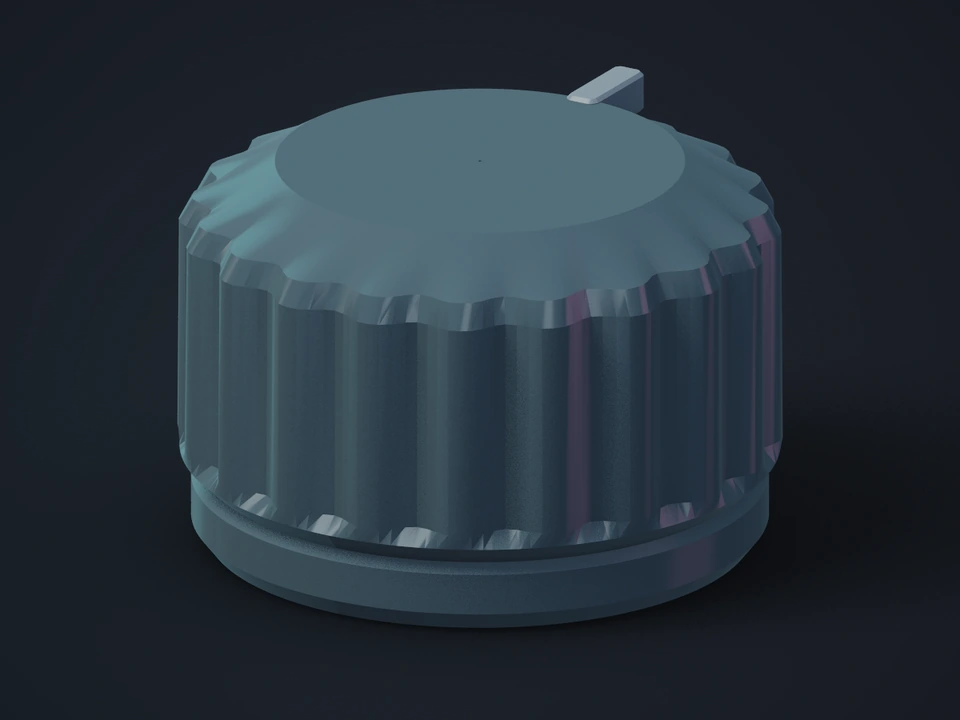
A control knob for an early product mockup
A fingertip grip that looks generous on screen can feel small beside a neighboring control. Use a sample and a flat panel mockup to judge reach before choosing the final surface finish.
Check it in the real space
Place the control beside the neighboring buttons. Ask someone to reach for it without looking down, then note what their fingers touch first.
The Index Dial gives you a fluted reference to handle. Bring your own CAD when the grip needs a particular diameter, shaft or indicator position.
See the tactile dial sampleWhere are you starting?
Start with this decision
Choose one decision for your sample: its size in the hand, a mating surface, or how a finish looks in the intended lighting. A single decision makes the first sample easier to judge.
Try the project toolWhat you can make
- Handheld enclosure and control mockups
- Appearance models and physical color proofs
- Pilot-run assembly and fastener fit studies
Read the studio’s approach
A product review can turn on the reflection along an enclosure, the feel of a button or the gap at a seam. Bring those surfaces into the brief alongside the CAD. Compare an as-built prototype with a finished sample, agree the dimensions that must survive finishing, and use ForgeCloud™ to prepare the next iteration.
How should your print look and feel?
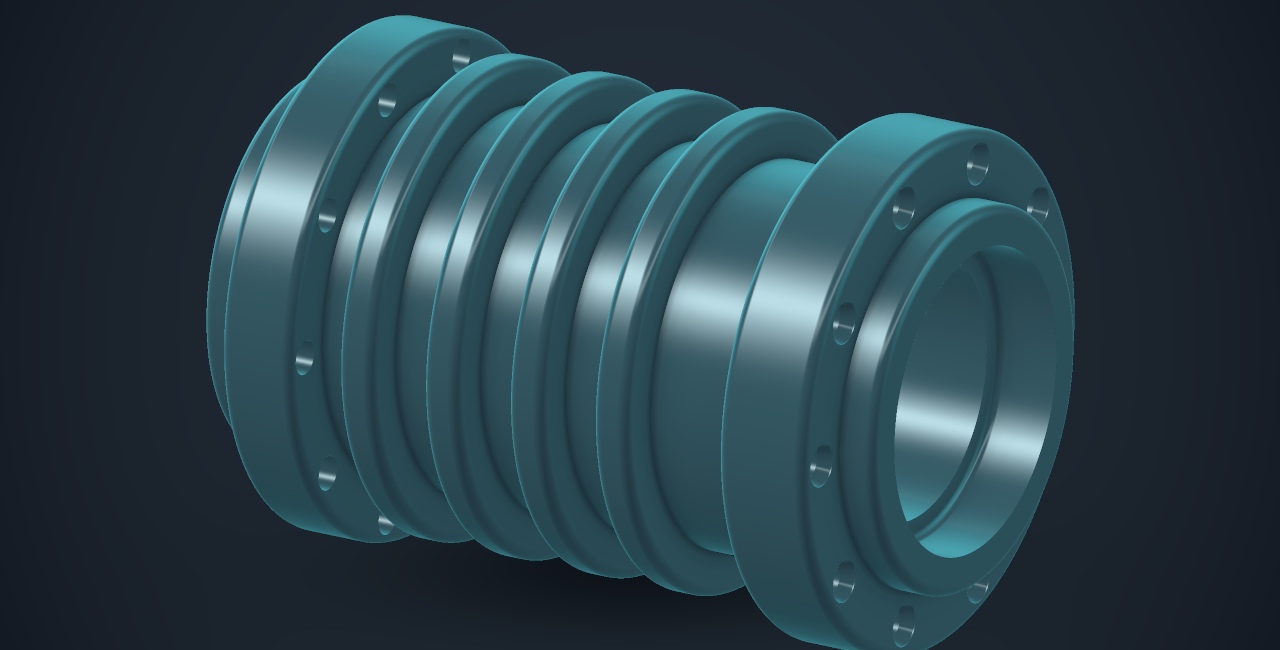
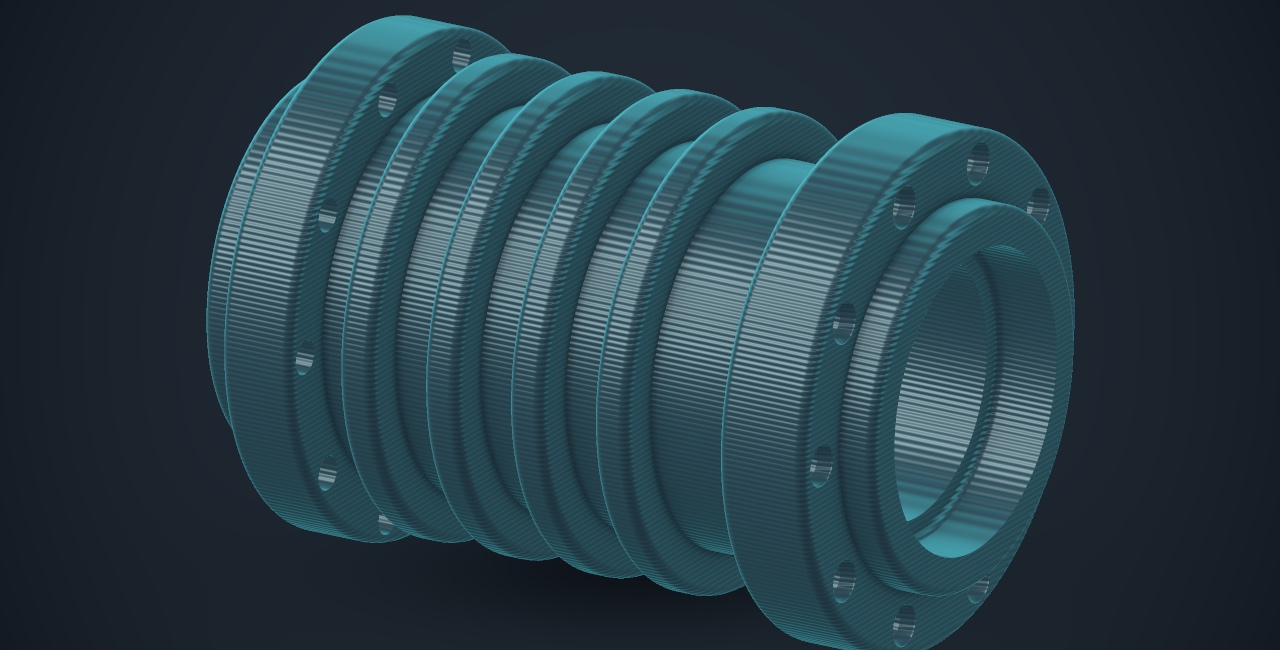
Slide across the sample to compare visible print lines with a smoother surface. Pick a finish to see how it changes the same part.
Smooth nylon
Vapor smoothing softens the outer skin of the nylon. Watch the highlight flow across the flange and into the curve of each rib.
Will two parts fit together?
Choose the diametral clearance for a 20 mm bore. This example calculates the nominal shaft diameter before manufacturing variation.
Flag mating faces before finishing. Coatings and post-processing can affect clearance.
Specify the appearance proof
Give the reviewer a color target, viewing condition and approval sample before committing to a finished batch.
Confirm color on a physical sample under the agreed lighting. The studio must check available stock, finishing time and dispatch before promising a turnaround.
How to specify an injection-molded appearance on vapor-smoothed MJF nylon
Questions before you start
Which prototype process fits an industrial design review?
Identify the decision first. An inexpensive geometry iteration can resolve grip, size or assembly sequence. An appearance review needs a specified finish, color and display condition. Mark the visible faces and mating features before asking the studio to compare extruded polymer, MJF nylon and secondary finishing.
Can vapor-smoothed MJF reproduce a molded appearance?
It can provide a visibly smoother surface on suitable nylon. Color, gloss, corner definition and tactile feel still depend on the exact print and finishing sequence. Approve a representative coupon and the complete first part against the physical molded reference under agreed lighting.
How should we request a Pantone color?
Give the precise reference and edition, substrate and preferred gloss. Identify the light under which reviewers will compare the sample. Ask for a dyed or coated physical proof made on the proposed base material before approving a run.
Can our team receive a prototype within 24 hours?
Share the actual review date, delivery location and the last time a useful part could arrive. Ask which finish and material can fit the production schedule. A build slot, cooldown, finishing, inspection and carrier transit each affect the arrival date.
How do we control a snap fit after smoothing?
Include the mating component or a dimensioned section of its seat. Identify insertion direction, contact points and the movement you expect. Evaluate the fit after the entire finishing sequence, retain the accepted pair and record the geometry revision for the next build.
What can a test coupon tell us before we order complete housings?
A useful coupon contains the enclosure’s real wall, fillet, lettering, seam and feature spacing. It can show how a finish treats local details and give reviewers a shared color reference. A finished full-size housing is still needed to examine overall warp and assembly interaction.