
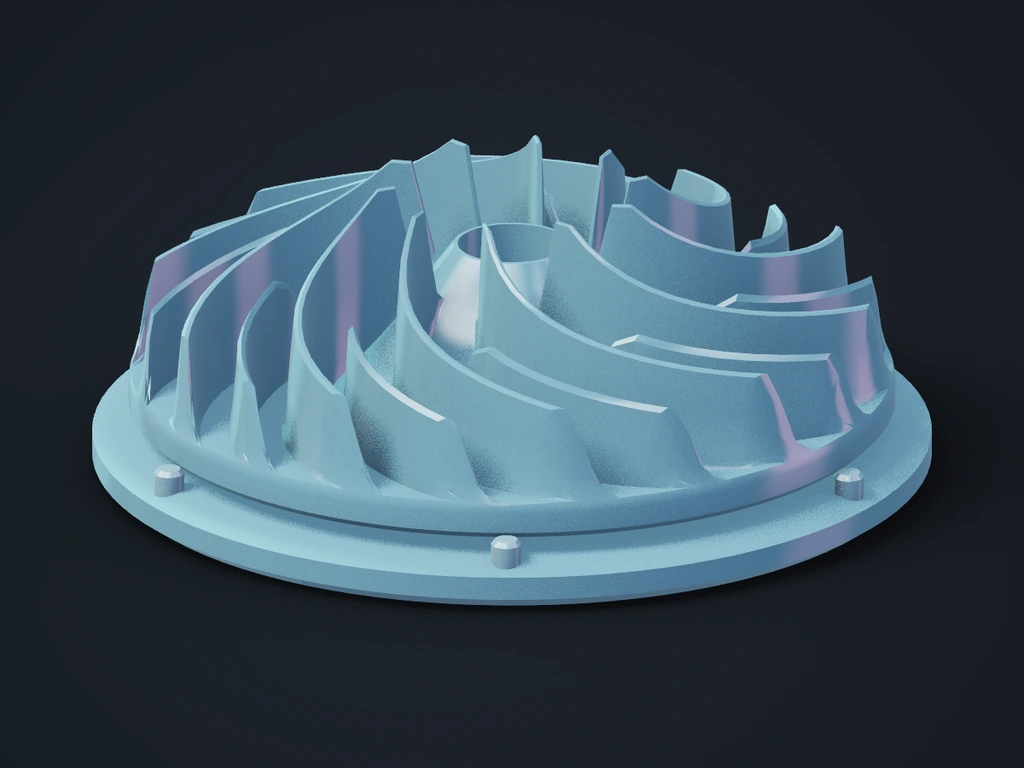
DMLS titanium or CNC machining? Start with the dimensions you must inspect
Use an inspection-nest example to compare titanium printing, machining and a hybrid route, from datum selection to first-article cost.
Choose a finish, plan a better fit or find the right photo for a gift. Each field guide leads to a tool you can try on your own project.
Find a guide101 articles
Use an inspection-nest example to compare titanium printing, machining and a hybrid route, from datum selection to first-article cost.
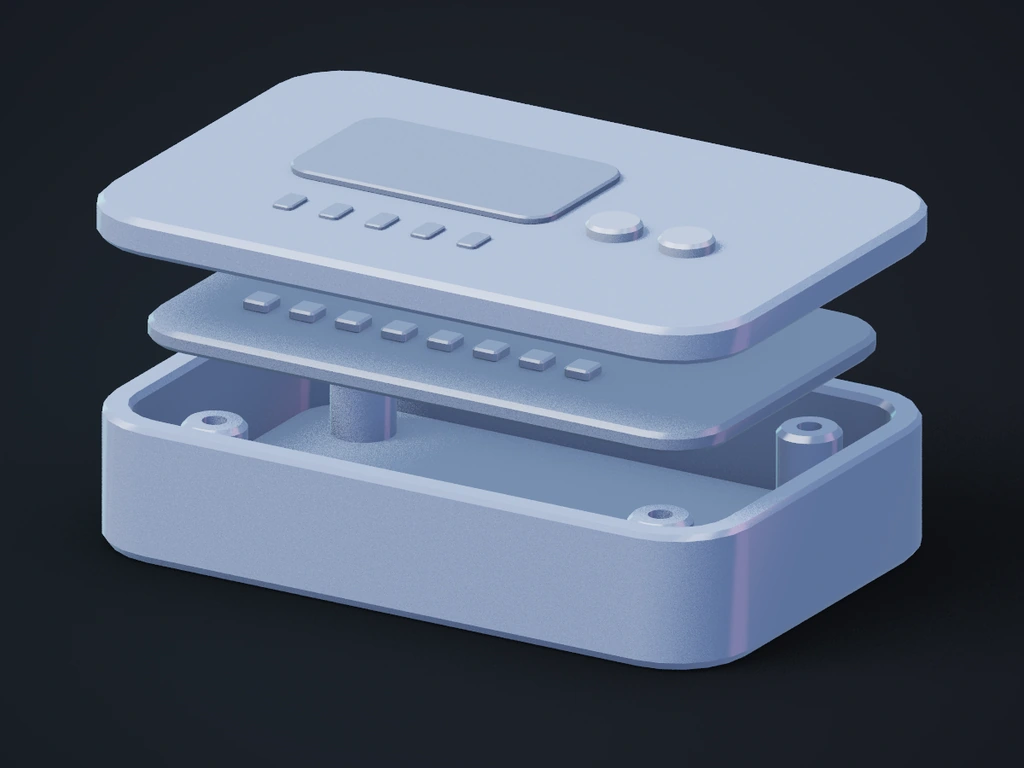
Turn a subjective surface request into a physical proof with a matched coupon, a controlled color review and a finished enclosure fit check.
Compare PA12-CF, ABS, ASA and PETG with their published HDT conditions, then design a bench evaluation around the intended use.
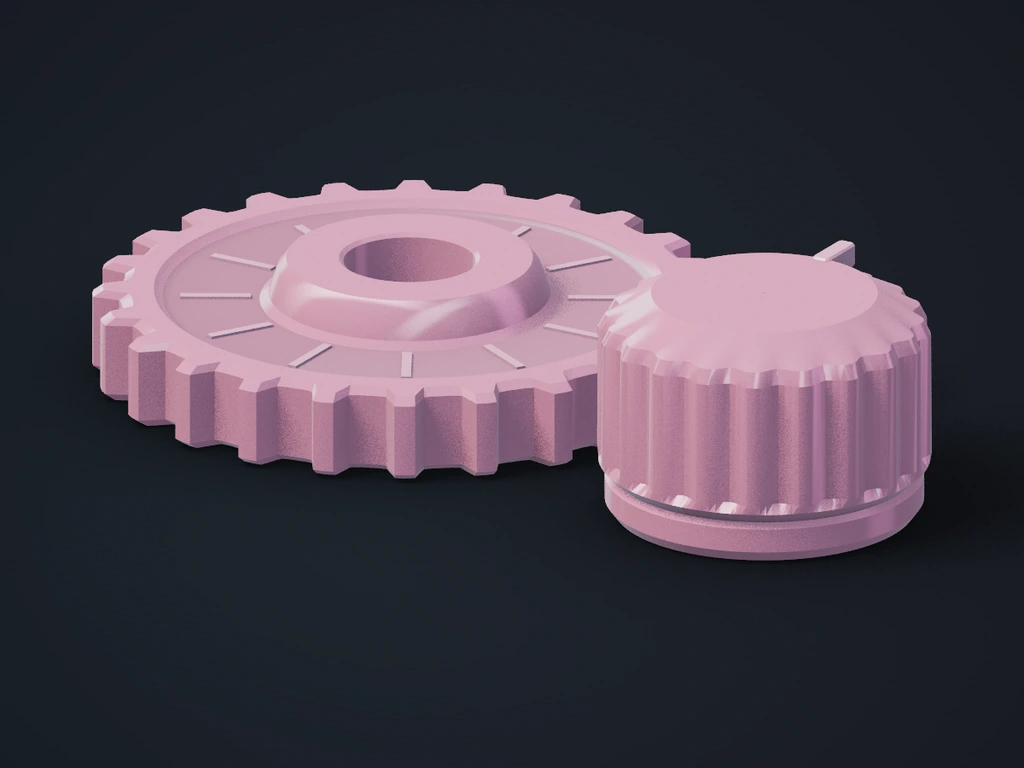
Follow a missing furniture end cap from the first reference photo through a measured fit coupon, a revision drawing and an approved replacement.
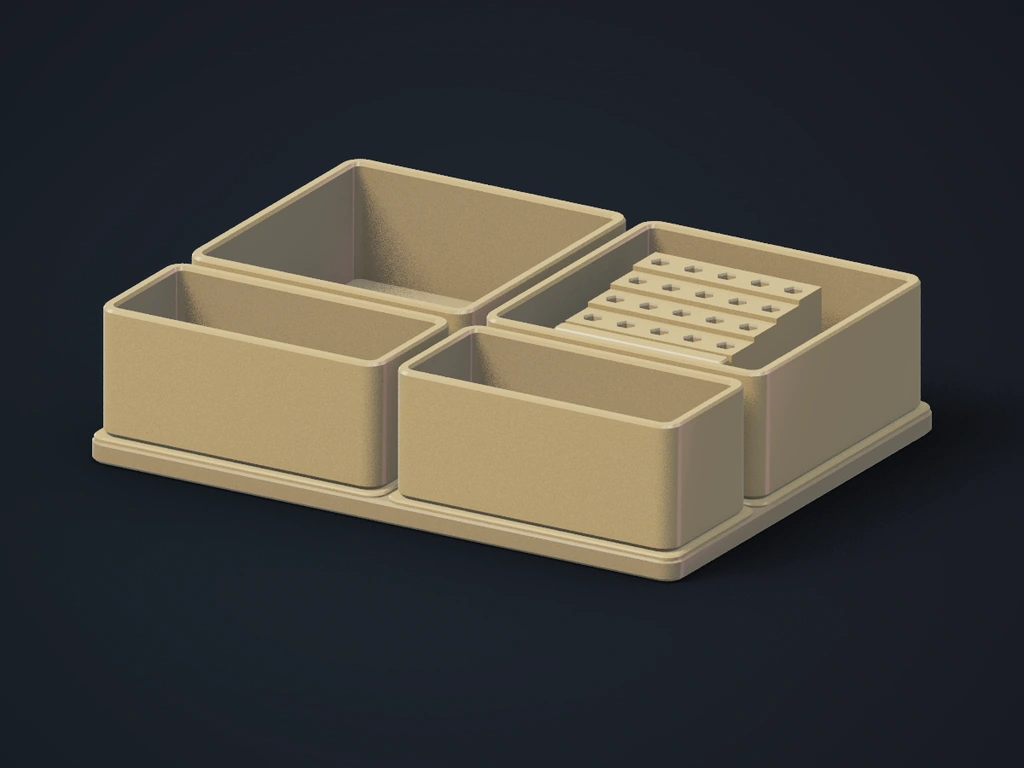
Compare a 42 mm drawer layout, test mixed-system compatibility and interpret a reference-card scan with a worked 340 × 215 mm example.
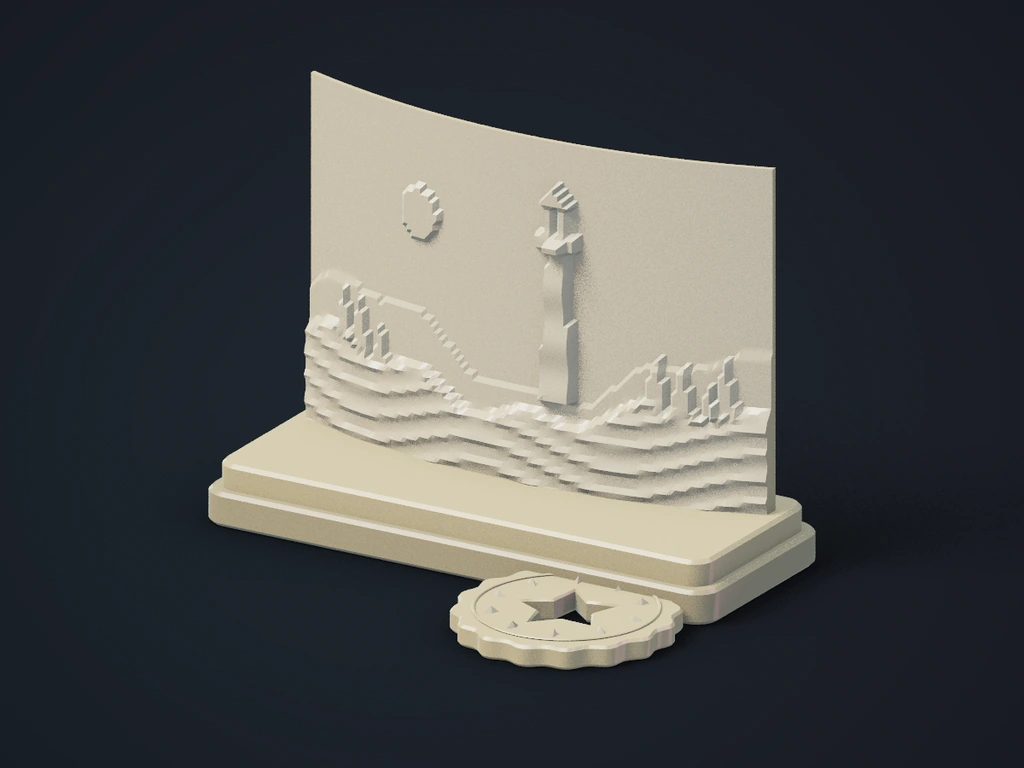
Choose a photograph, size the subject, compare light transmission and proof a batch of custom holiday ornaments with a worked family-portrait example.
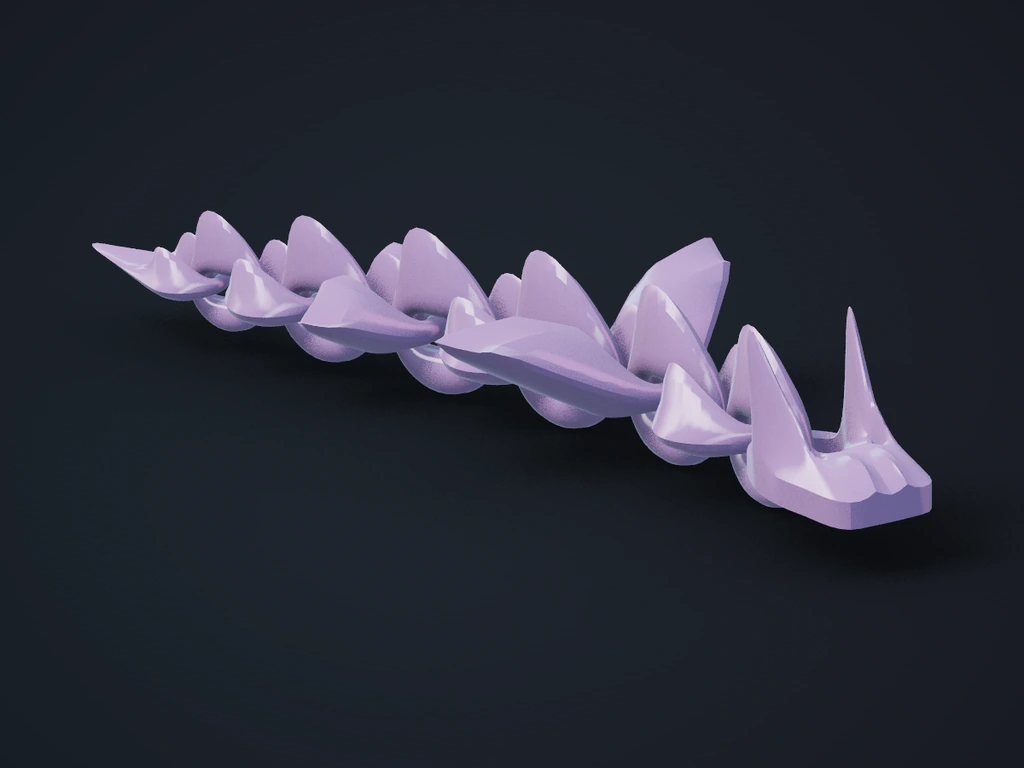
Work through an original merchandise sample, unit contribution, royalty basis, costume fit and reorder brief before opening a 3D printed product drop.
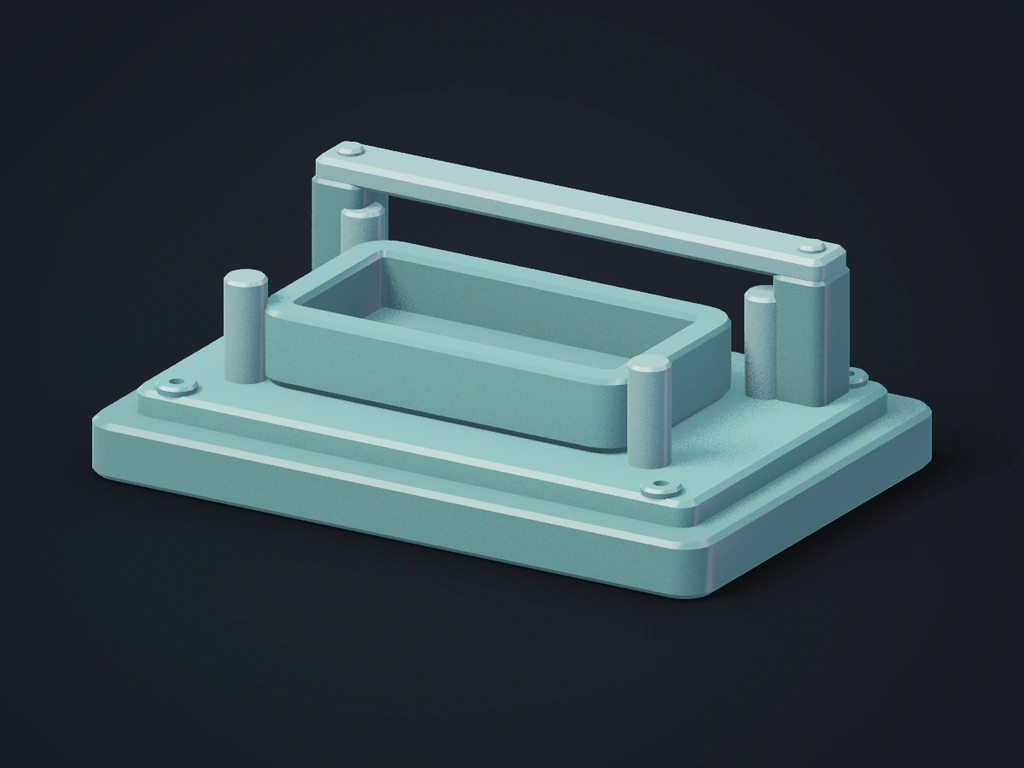
Plan and cost a 3D printed bench nest, choose reliable locating surfaces, run an operator trial and calculate break-even cycles from measured savings.
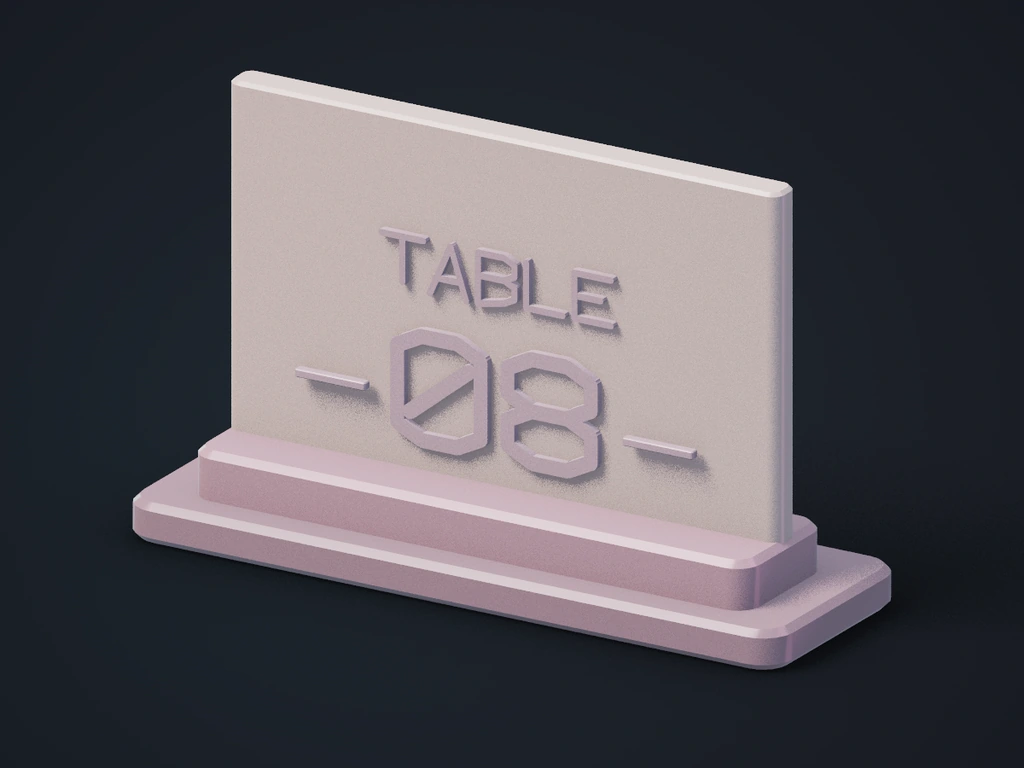
Build a clean guest roster, proof real names, size reusable holders and pack personalized Golden Isles wedding favors in the order the venue crew will set them out.
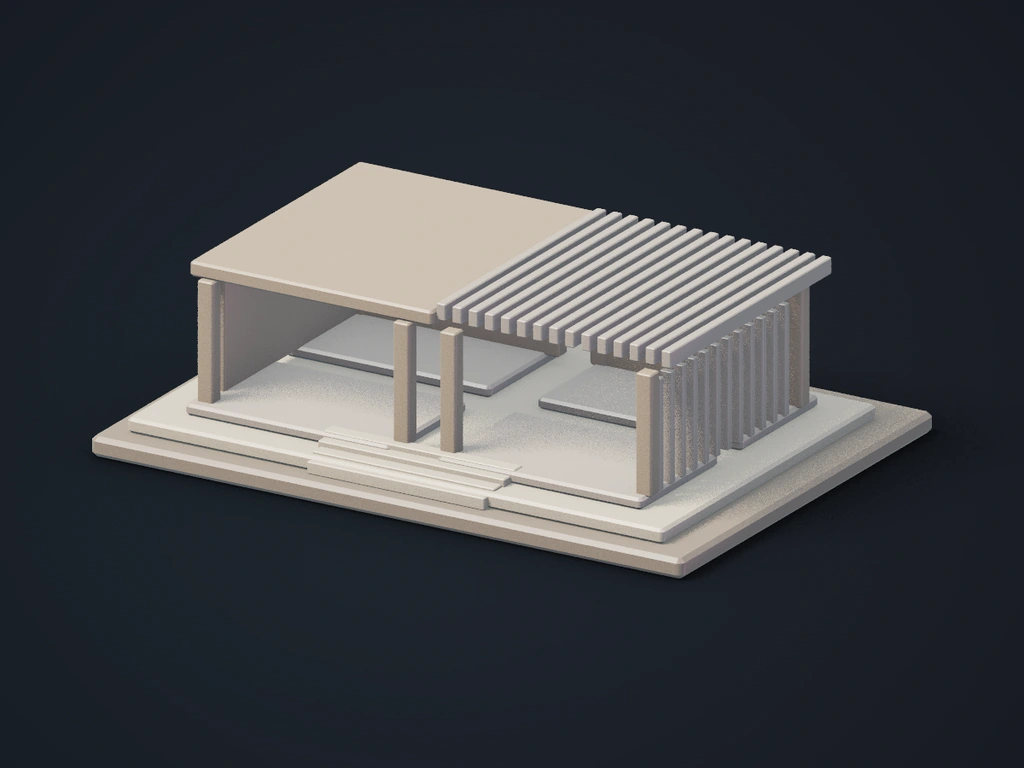
Work through a real-to-model scale calculation, prepare a clean BIM export, proof fragile details and rehearse a sectional model before a client review.
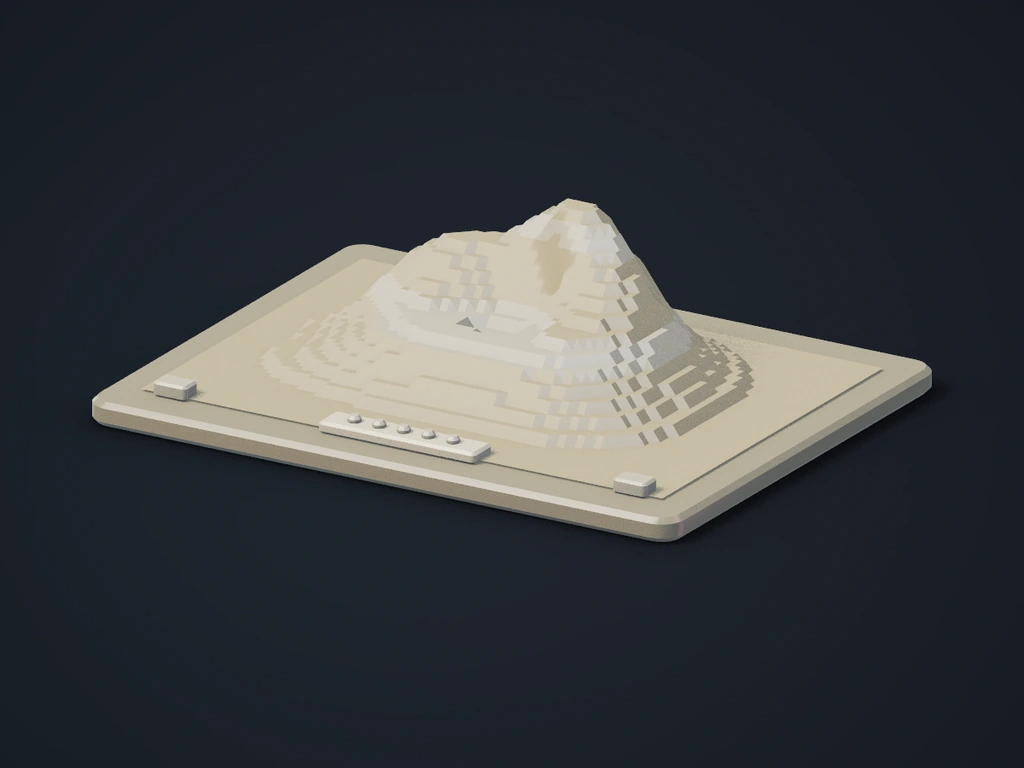
Follow a coiled-shell teaching kit from rights review to a handling trial. Plan scale, disclose reconstructed surfaces and specify how a classroom can replace one piece.
Pick a pair of guides for the decision in front of you.
Start with the place where something gets lost, catches or no longer fits.
Choose a photograph, test the lettering and proof a sample in its setting.
Decide what the first sample should teach you before planning a run.